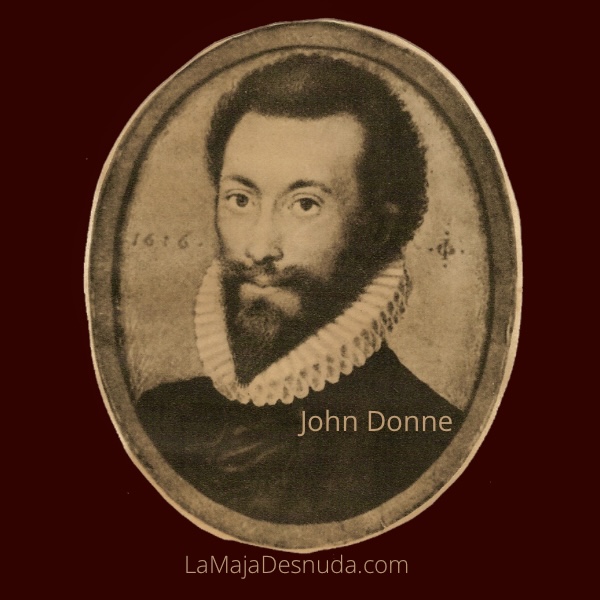
John Donne (1572–1631) fue uno de los grandes poetas de la literatura inglesa y la figura más representativa de la llamada poesía metafísica.
Nació en Londres en una familia católica en una época de fuertes tensiones religiosas en Inglaterra. Estudió en Oxford y Cambridge, y más tarde desarrolló una carrera vinculada a la Iglesia anglicana, llegando a ser decano de la Catedral de Saint Paul.
Su poesía se caracteriza por la intensidad intelectual, las paradojas, los juegos conceptuales y el uso de metáforas complejas conocidas como conceits. Donne unió pensamiento filosófico, pasión amorosa y reflexión espiritual en una voz poética profundamente original.
Entre sus obras más importantes destacan los Songs and Sonnets, donde explora el amor erótico con gran audacia verbal, y los Holy Sonnets, centrados en la muerte, la fe y la salvación.
Su célebre frase:
“Ningún hombre es una isla”
proviene de sus Meditations y se convirtió en una de las expresiones más citadas de la literatura inglesa.
La poesía de Donne influyó profundamente en escritores posteriores como T. S. Eliot, quien contribuyó decisivamente a su redescubrimiento en el siglo XX.
John Donne transformó la poesía inglesa al combinar emoción, pensamiento y dramatismo en una escritura donde el amor, el cuerpo y la espiritualidad aparecen inseparablemente unidos.

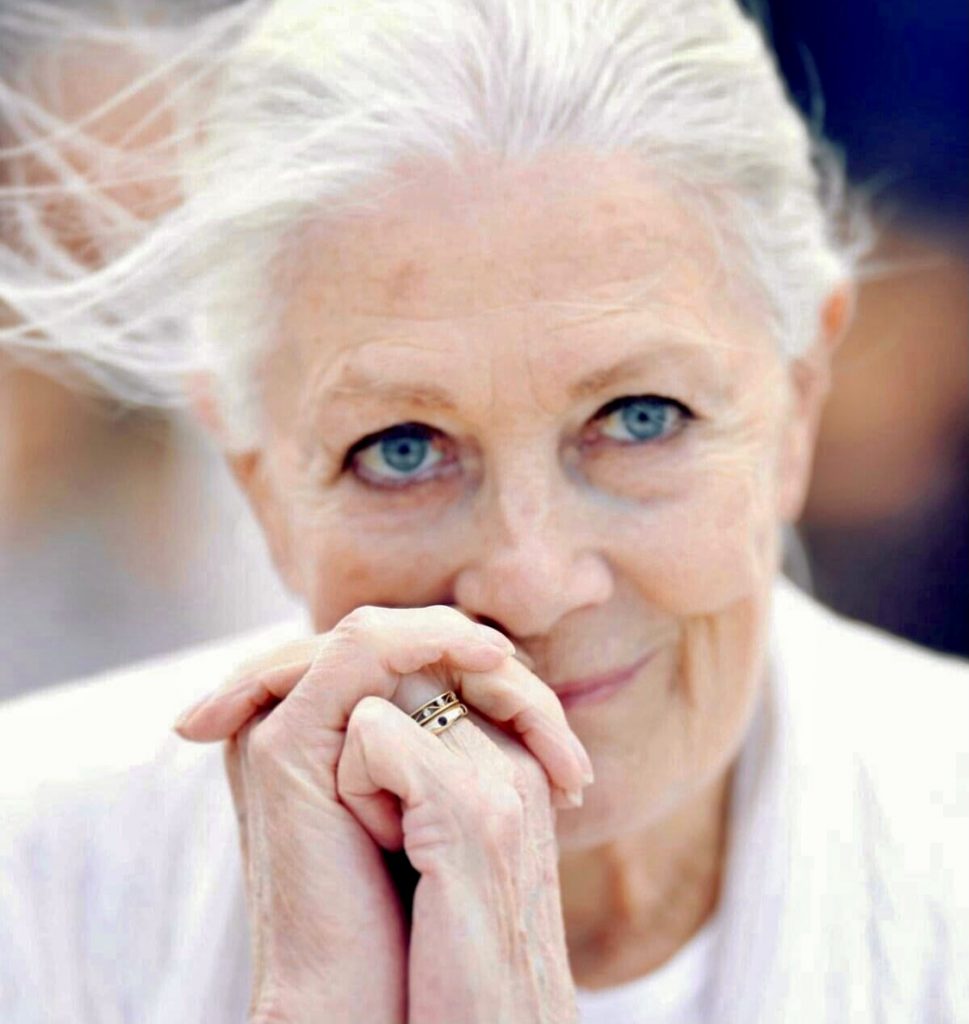
Ofrecemos la voz de la actriz inglesa, Vanessa Redgrave, dando lectura a un poema de JohnDonne.
Meditación XVII  (segmento)


¿Quién no mira al sol cuando atardece?

¿Quién quita sus ojos del cometa cuando estalla?

¿Quién no presta oídos a una campana cuando por algún hecho tañe?

¿Quién puede desoír esa campana cuya música lo traslada fuera de este mundo?

Ningún hombre es una isla entera por sí mismo.

Cada hombre es una pieza del continente, una parte del todo.

Si el mar se lleva una porción de tierra,

toda Europa queda disminuida, como si fuera un promontorio,

o la casa de uno de tus amigos, o la tuya propia.

Ninguna persona es una isla;

la muerte de cualquiera me afecta,

porque me encuentro unido a toda la humanidad;

por eso, nunca preguntes por quién doblan las campanas;

doblan por ti.


Who casts not up his eye to the sun when it rises? but who takes off his eye from a comet when that breaks out? Who bends not his ear to any bell which upon any occasion rings? but who can remove it from that bell which is passing a piece of himself out of this world?

No man is an island, entire of itself; every man is a piece of the continent, a part of the main. If a clod be washed away by the sea, Europe is the less, as well as if a promontory were, as well as if a manor of thy friend’s or of thine own were: any man’s death diminishes me, because I am involved in mankind, and therefore never send to know for whom the bells tolls; it tolls for thee. Neither can we call this a begging of misery, or a borrowing of misery, as though we were not miserable enough of ourselves, but must fetch in more from the next house, in taking upon us the misery of our neighbors. Truly it were an excusable covetousness if we did, for affliction is a treasure, and scarce any man hath enough of it. No man hath affliction enough that is not matured and ripened by and made fit for God by that affliction. If a man carry treasure in bullion, or in a wedge of gold, and have none coined into current money, his treasure will not defray him as he travels. Tribulation is treasure in the nature of it, but it is not current money in the use of it, except we get nearer and nearer our home, heaven, by it. Another man may be sick too, and sick to death, and this affliction may lie in his bowels, as gold in a mine, and be of no use to him; but this bell, that tells me of his affliction, digs out and applies that gold to me: if by this consideration of another’s danger I take mine own into contemplation, and so secure myself, by making my recourse to my God, who is our only security.
John Donne, en La maja desnuda, UPV Radio. Conduce: Nidia Hernández