Estados Unidos, 1943–2023
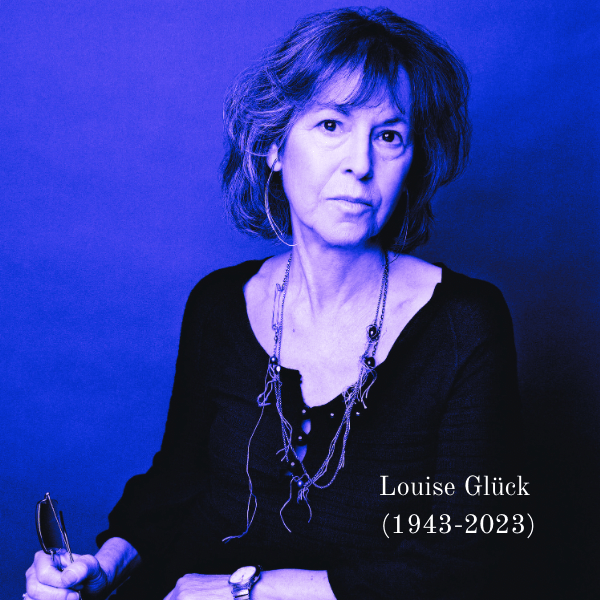
Louise Glück nació el 22 de abril de 1943 en Nueva York. Creció en Long Island en el seno de una familia de origen judío húngaro. Estudió en el Sarah Lawrence College y en la Columbia University, donde asistió a talleres de escritura.
Su primer libro, Firstborn, fue publicado en 1968. A lo largo de su trayectoria publicó numerosos títulos de poesía, entre ellos The House on Marshland (1975), The Triumph of Achilles (1985), Ararat (1990), The Wild Iris (1992), Meadowlands (1996), Averno (2006) y Faithful and Virtuous Night (2014).
Recibió el Premio Pulitzer de Poesía en 1993 por The Wild Iris. En 2020 fue galardonada con el Premio Nobel de Literatura. También fue distinguida con el National Book Award y el National Book Critics Circle Award.
Desarrolló una amplia labor docente, vinculada durante años a la Yale University, donde fue profesora de literatura. En 2003–2004 fue nombrada Poeta Laureada de Estados Unidos.
Su obra ha sido traducida a numerosas lenguas y difundida internacionalmente. Falleció en Cambridge, Massachusetts, el 13 de octubre de 2023.
THE QUEEN OF CARTHAGE
Louise Glück


Brutal to love,

more brutal to die.

And brutal beyond the reaches of justice

to die of love.


In the end, Dido

summoned her ladies in waiting

that they might see

the harsh destiny inscribed for her by the Fates.


She said, "Aeneas

came to me over the shimmering water;

I asked the Fates

to permit him to return my passion,

even for a short time. What difference

between that and a lifetime: in truth, in such moments,

they are the same, they are both eternity.


I was given a great gift

which I attempted to increase, to prolong.

Aeneas came to me over the water: the beginning

blinded me.

Now the Queen of Carthage

will accept suffering as she accepted favor:

to be noticed by the Fates

in some distinction after all.


Or should one say, to have honored hunger,

since the Fates go by that name also."
La reina de Cartago

Louise Glück


Amar es brutal

más brutal morir

y brutal más allá de los confines de la justicia

morir de amor


Al final, Dido

hizo llamar a sus damas de compañía

para que presenciaran

el áspero destino que le inscribieron las Parcas


Esto dijo: “Eneas llegó a mí

sobre el agua resplandeciente;

pedí a las Parcas

que le permitieran corresponder a mi pasión,

así fuera brevemente. Qué diferencia

hay entre eso y una vida entera: verdaderamente, en tales momentos,

son lo mismo: ambos son eternidad.


Recibí un gran don

e intenté aumentarlo, prolongarlo.

Eneas llegó a mí sobre el agua: el inicio

me encegueció.

Ahora la Reina de Cartago

aceptará el sufrimiento como antes el favor:

Hay distinción, después de todo,

en ser reconocida por las Parcas.


O quizás deba decirse, en haber honrado al hambre

ya que por ese nombre también se conocen las Parcas.

Traducción: Rossana Plessmann
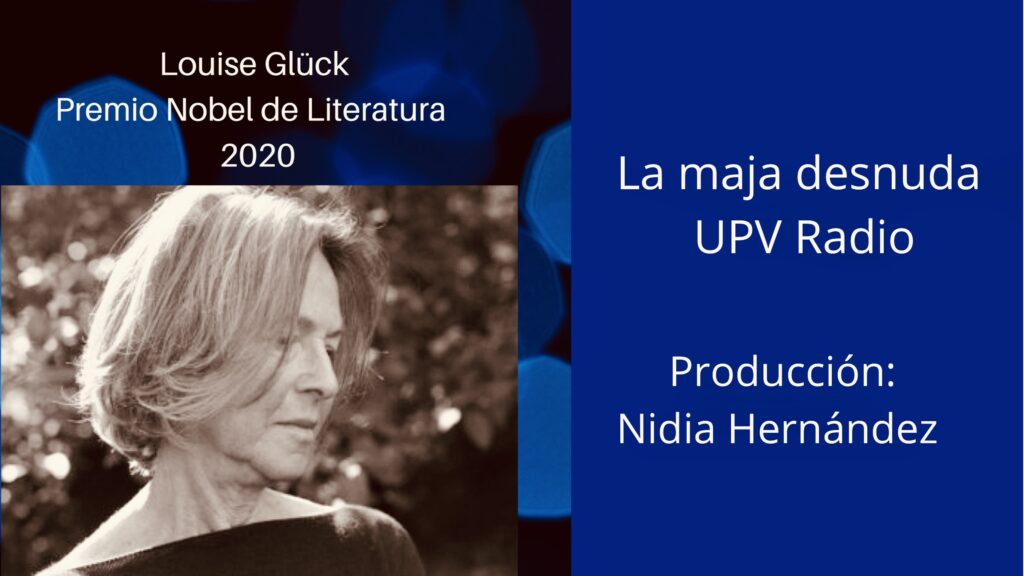
Louise Glück en la maja desnuda, UPV Radio. Conduce: Nidia Hernández